Sofa Cleaning in Your Area: A Practical, Search-Friendly Approach to a Fresher Home
A clean sofa can transform the look, feel, and comfort of any room. Whether your living space is busy with family activity, pets, guests, or everyday lounging, sofa cleaning plays a major role in keeping your home fresh and inviting. Over time, upholstery collects dust, crumbs, body oils, allergens, spills, and odors that can make even a beautiful couch look tired. That is why regular sofa cleaning in your area is not only about appearance; it is also about hygiene, comfort, and preserving your furniture investment.
If you have ever searched for sofa cleaning near me, upholstery cleaning, or deep couch cleaning, you already know how important it is to choose the right method for your fabric and lifestyle. Different materials need different approaches, and using the wrong cleaner can cause stains, shrinkage, or discoloration. With the right routine and professional support when needed, your sofa can stay soft, clean, and attractive for years.
This article explains how sofa cleaning works, why it matters, what methods are commonly used, and how to keep your upholstery in excellent shape between professional visits. If your living room needs a refresh, this is the perfect place to start. Contact us today if you are ready to improve the cleanliness and comfort of your home, and book your service now when you want dependable results.
Why Sofa Cleaning Matters for Every Home

Your sofa is one of the most used pieces of furniture in the house. People sit on it, eat on it, nap on it, and often even let pets lounge on it. Because of that, upholstery naturally gathers dirt faster than many homeowners realize. Regular sofa cleaning helps remove the buildup that settles deep into the fibers, improving both the look and the feel of the fabric.
Another major reason to prioritize sofa cleaning is indoor air quality. Soft furnishings can trap dust, pollen, pet dander, and other particles that affect the air you breathe. When those contaminants build up, they can circulate every time someone sits down or moves the cushions. For allergy-sensitive households, professional upholstery cleaning can make a noticeable difference.
There is also the issue of odor control. Fabrics absorb smells from food, smoke, pets, and daily living. A couch may look clean on the surface while still holding unpleasant odors inside the padding. Thorough sofa cleaning helps neutralize those smells rather than simply masking them with fragrance.
Common Signs Your Sofa Needs Cleaning
Some sofas clearly need attention, while others show subtle signs that are easy to ignore. Knowing what to look for helps you stay ahead of damage and maintain a healthier home environment. If your upholstery is starting to look dull or feel less fresh, it may be time for a deeper clean.
Here are some common indicators that sofa cleaning is due:
- Visible stains from drinks, food, makeup, or pets
- Musty, sour, or lingering odors
- Dust accumulation in seams, crevices, or cushions
- Discoloration in frequently used areas
- Fabric that feels sticky, rough, or greasy
- Increased allergy symptoms when spending time nearby
Even if a sofa looks acceptable from a distance, close inspection often reveals grime along the arms, seat cushions, and backrests. That is why routine sofa cleaning is important even when the furniture appears “fine.”
Understanding Different Sofa Materials
One of the most important parts of sofa cleaning is identifying the fabric type. Different upholstery materials react differently to water, heat, steam, and cleaning products. Using the wrong method can damage delicate fibers or push stains deeper into the fabric.
Common sofa materials include:
- Cotton – Comfortable and breathable, but prone to staining if not treated quickly.
- Linen – Elegant and natural, but can wrinkle and require gentle handling.
- Microfiber – Durable and popular, often easier to clean with the proper technique.
- Leather – Requires specialized leather cleaning and conditioning rather than standard upholstery methods.
- Velvet – Luxurious but delicate, usually needing careful, low-moisture treatment.
- Synthetic blends – Often stain-resistant, but still benefit from routine deep cleaning.
Before any sofa cleaning process begins, it is wise to check the manufacturer’s care label. Many sofas include cleaning codes such as W, S, WS, or X. These codes indicate whether water-based cleaners, solvent-based cleaners, or vacuum-only care are recommended.
Popular Sofa Cleaning Methods
There is no single method that works for every couch. The best sofa cleaning technique depends on the fabric, the type of soil, and the level of wear. Below are the most common approaches used by homeowners and professionals alike.
1. Vacuuming and Surface Maintenance
Routine vacuuming is the foundation of good sofa cleaning. Using a brush attachment, you can remove loose dust, crumbs, pet hair, and debris from the surface and crevices. This prevents dirt from settling deeper into the upholstery and reduces wear caused by abrasive particles.
Best practices for vacuuming
- Remove cushions when possible
- Use a soft brush attachment
- Vacuum seams and corners thoroughly
- Work slowly to lift embedded dust
Vacuuming alone will not fully restore a heavily used couch, but it is an essential part of everyday sofa cleaning.
2. Spot Cleaning Stains
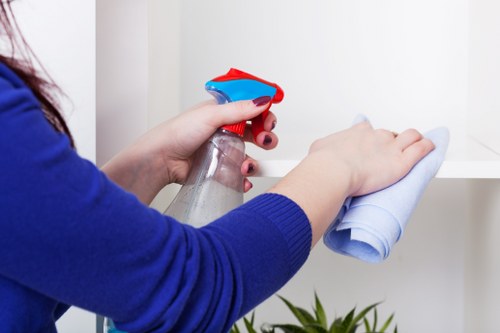
Spills should be treated immediately whenever possible. Quick action reduces the chance of permanent staining and helps preserve the appearance of the fabric. Spot cleaning is a key part of smart sofa cleaning because it targets problem areas before they spread.
For fresh stains, blot gently with a clean cloth rather than rubbing. Rubbing can damage fibers and push the spill deeper into the sofa. Depending on the material, mild soap solutions, upholstery-safe cleaners, or specialized stain removers may be appropriate.
Helpful stain removal tips
- Test any product in a hidden area first
- Use minimal moisture on delicate fabrics
- Work from the outside of the stain inward
- Allow the area to dry completely before use
Spot cleaning is effective for isolated marks, but it should be paired with periodic deep sofa cleaning for the best overall result.
3. Steam Cleaning and Hot Water Extraction
Steam cleaning and hot water extraction are popular methods for deep sofa cleaning, especially for fabrics that tolerate moisture well. These techniques use heat and cleaning solution to loosen embedded dirt, followed by extraction to remove the residue.
Professional hot water extraction is often preferred because it reaches deep into the fibers while minimizing leftover moisture. This method can be highly effective for removing grime, reducing odors, and refreshing the look of upholstered furniture. However, it is not suitable for every material, which is why an expert assessment matters.
When performed correctly, steam-based sofa cleaning can make an older couch look noticeably revived. It is especially helpful in homes with pets, children, or heavy everyday use.
Professional Sofa Cleaning vs DIY Cleaning
Many homeowners wonder whether they should clean a sofa themselves or hire a professional. Both options can be useful, but they serve different needs. DIY sofa cleaning is often great for light maintenance, small spills, and regular upkeep. Professional upholstery cleaning is better suited for deep soil, stubborn stains, large furniture pieces, and delicate materials.
DIY sofa cleaning may work well when:
- The sofa only has light surface dust
- You are dealing with a small, fresh spill
- The upholstery care label allows simple cleaning
- You want to maintain a regular schedule between service visits
Professional sofa cleaning is a better choice when:
- There are old or set-in stains
- The sofa has strong odors
- Allergy concerns require deeper sanitizing
- The fabric is delicate or expensive
- You want a more thorough and efficient finish
A skilled cleaner understands fabric behavior, stain chemistry, drying times, and equipment settings, making professional sofa cleaning a smart investment for many households.
How Often Should You Clean Your Sofa?
The ideal sofa cleaning schedule depends on how much your furniture is used and what conditions it faces every day. A lightly used guest room couch will not need the same attention as a family room sofa that handles children, pets, snacks, and daily lounging.
As a general rule, it is wise to vacuum your sofa weekly and perform deeper sofa cleaning every 6 to 12 months. If you have pets, allergies, or frequent entertaining, you may need professional upholstery cleaning more often. Homes with smokers, young children, or high traffic may also benefit from a shorter cleaning cycle.
Sticking to a regular schedule helps prevent heavy buildup, makes stains easier to remove, and extends the life of the upholstery. In other words, routine sofa cleaning saves time and money over the long term.
DIY Sofa Cleaning Tips for Better Results
If you prefer to handle some cleaning tasks on your own, there are safe and effective ways to care for your furniture. The key is to work gently, follow the care label, and avoid over-wetting the fabric.
Simple DIY maintenance steps
- Vacuum weekly to remove debris
- Rotate cushions to encourage even wear
- Blot spills immediately with absorbent cloths
- Use baking soda sparingly to help reduce odors
- Keep food and drinks away from the upholstery when possible
Important: Always use products intended for upholstery. Harsh chemicals, bleach, and excessive water can cause damage. If you are unsure, it is safer to choose professional sofa cleaning instead of risking permanent marks.
DIY methods can support everyday maintenance, but they are usually most effective when combined with periodic deep cleaning from a trained technician.
The Role of Upholstery Protection and Preventive Care
Good sofa cleaning is only part of the story. Preventive care helps your couch stay cleaner for longer and reduces the need for frequent stain removal. Small habits can make a big difference in how well your upholstery ages.
For example, using throws or washable covers in high-use homes can protect the fabric from daily wear. Keeping pets off certain areas, setting household food rules, and vacuuming on a schedule also support cleaner upholstery. If your sofa has removable cushion covers, washing them according to the label can further improve cleanliness between professional sofa cleaning appointments.
Fabric protection treatments may also be recommended for some sofas. These treatments create a barrier that helps resist spills and stains, making future sofa cleaning easier and more effective. While not a substitute for proper maintenance, protection can be an excellent addition to your care routine.
Common Mistakes to Avoid During Sofa Cleaning
Even well-intentioned cleaning can go wrong if the wrong approach is used. Knowing what not to do is just as important as learning the best methods. Many upholstery problems happen when people rush the process or use products meant for other surfaces.
Common mistakes include:
- Using too much water, which can leave marks or cause mildew
- Rubbing stains aggressively instead of blotting
- Applying cleaner without testing it first
- Using heat to dry delicate upholstery too quickly
- Ignoring care labels and fabric codes
- Letting spills sit too long before treatment
A careful, patient approach makes sofa cleaning safer and more effective. When in doubt, especially with expensive or antique furniture, seek professional support rather than experimenting with untested methods.
Benefits of Regular Sofa Cleaning for Health and Comfort
Many people think of sofa cleaning as a purely cosmetic task, but it offers real lifestyle benefits too. A clean sofa feels more comfortable, smells better, and contributes to a more pleasant environment for everyone in the home.
From a health perspective, removing dust and allergens can help reduce irritation for sensitive individuals. This matters especially in homes where people spend a lot of time on the couch watching TV, working remotely, or relaxing after a long day. Cleaner upholstery can also reduce exposure to bacteria and unpleasant particles that collect in heavily used seating areas.
From a comfort perspective, fresh upholstery simply feels better. Clean cushions, fresher fabric, and reduced odors create a more welcoming living space. That is why sofa cleaning is often one of the fastest ways to improve a room without buying new furniture.
Choosing the Right Sofa Cleaning Service
If you decide to hire help, it is important to choose a service that understands upholstery care and uses appropriate techniques for your furniture. Not every cleaner specializes in sofas, so asking the right questions can help you make a smart decision.
What to look for in a sofa cleaning provider:
- Experience with different upholstery types
- Knowledge of cleaning codes and fabric safety
- Use of upholstery-specific tools and solutions
- Clear explanation of the cleaning process
- Options for stain treatment and odor removal
- Careful drying practices to prevent issues after service
Choosing a provider with strong upholstery knowledge increases the likelihood of excellent results. The right sofa cleaning service can restore freshness while protecting fabric integrity.
How Sofa Cleaning Supports a Cleaner Home Overall
A clean sofa does more than improve one piece of furniture; it influences the atmosphere of the entire room. Living rooms often serve as central gathering spaces, and upholstery plays a major role in how tidy the home feels. When the couch looks and smells fresh, the whole room seems more organized and inviting.
Regular sofa cleaning also complements other household cleaning tasks. Dusting, vacuuming, and floor care become more effective when upholstery is not continuously releasing debris back into the environment. For that reason, clean couches are part of a broader home maintenance strategy rather than an isolated task.
Whether your goal is better hygiene, improved appearance, or simply more comfort, upholstery cleaning helps create a home that feels well cared for. A sofa that receives proper attention can remain a centerpiece rather than a source of stress.
Final Thoughts on Sofa Cleaning in Your Area
Investing in sofa cleaning is one of the simplest ways to refresh your home, extend the life of your furniture, and improve everyday comfort. From routine vacuuming and spot treatment to professional upholstery cleaning, the right care plan keeps your sofa looking attractive and feeling fresh.
If your couch has stains, odors, or heavy buildup, now is a great time to take action. A tailored cleaning approach can restore beauty and help protect the fabric for the future. Book your service now if you want a cleaner, healthier, more welcoming living space. And if you have been putting off upholstery care, contact us today to take the next step toward better sofa cleaning in your area.
Sofa cleaning does not have to be complicated. With the right routine, informed product choices, and professional support when needed, you can keep your furniture in excellent shape for years to come.