Rug Cleaning in Modern Homes: Methods, Benefits, and Smart Care Tips
Rugs do far more than cover a floor. They soften a room, add warmth, reduce noise, and bring personality into a home or business. Yet they also collect dust, grit, allergens, pet dander, spills, and everyday foot traffic faster than many people realize. That is why rug cleaning matters so much for both appearance and hygiene. Whether you own a delicate wool runner, a thick Persian-style centerpiece, or a durable synthetic area rug, the right cleaning routine can preserve beauty, extend lifespan, and keep your space feeling fresh.
Many homeowners search for rug cleaning when stains appear, odors build up, or colors begin to look dull. Others want to protect a valuable investment before damage becomes visible. In either case, consistent care and the correct cleaning approach can make a major difference. From routine vacuuming to deep rug washing, understanding what your rug needs helps prevent fiber damage, color fading, and premature wear.
In this article, we’ll explore practical rug cleaning methods, common mistakes to avoid, how different rug materials react to treatment, and when professional help is the smarter choice. If you want cleaner floors, healthier indoor air, and a more attractive living space, learning the basics of rug cleaning is a strong place to start.
Why Rug Cleaning Matters for Every Home
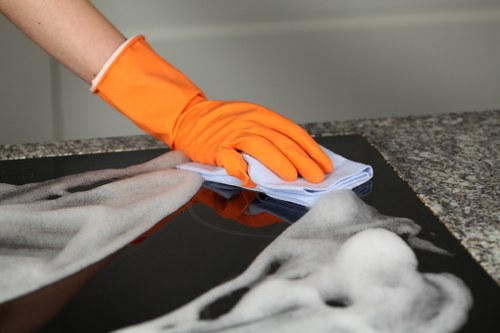
Rugs act like filters. Every time someone walks across them, they trap dirt and microscopic debris. Over time, that buildup settles deep into the fibers and can become harder to remove with standard vacuuming alone. Regular rug cleaning helps remove that hidden grime before it damages the pile or dulls the pattern.
There is also a health benefit. Dust mites, pollen, pet hair, and other allergens often hide in rugs. For families with children, pets, or allergy concerns, routine rug cleaning can help improve indoor air quality and create a more comfortable environment. A clean rug is not just about looks; it can support a cleaner home overall.
Another important reason is preservation. Rugs can be expensive, especially handmade or natural-fiber pieces. Proper rug cleaning protects fibers from breakdown, prevents stains from setting, and helps maintain the rug’s texture and color. In other words, regular care is an investment in the rug itself.
Understanding Different Rug Materials
Not all rugs are made the same, and rug cleaning should never be treated as a one-size-fits-all process. The material determines how the rug responds to moisture, agitation, and cleaning agents. Knowing the fiber type is the first step in choosing the safest and most effective method.
Wool rugs, for example, are naturally resilient and stain-resistant, but they can shrink or discolor if cleaned improperly. Cotton rugs are often easier to wash but may bleed color if saturated. Synthetic rugs made from nylon, polyester, or polypropylene are typically more forgiving and can handle more frequent cleaning, though they still need proper care to avoid residue buildup.
Silk, viscose, and antique handmade rugs require extra caution. These materials can lose strength quickly when exposed to excessive water or harsh chemicals. When in doubt, professional rug cleaning is often the best option for delicate fibers, especially when the rug has sentimental or monetary value.
Common Rug Types and Care Considerations
Here are some common rug types and what they usually need:
- Wool rugs: Gentle cleaning, low-moisture methods, and careful drying.
- Cotton rugs: Spot treatment and occasional washing, depending on construction.
- Synthetic rugs: Routine vacuuming and periodic deep rug cleaning.
- Natural fiber rugs: Minimal moisture and fast drying to prevent damage.
- Oriental or handmade rugs: Specialized rug washing and fiber-safe treatment.
Choosing the right technique helps prevent shrinking, fraying, and color transfer. It also keeps the rug looking its best for longer.
Tip: Always check the manufacturer label or fiber information before using any cleaning product. If the rug has no care instructions, test any solution in a hidden area first.
Many stains become more difficult to remove after they have been scrubbed incorrectly. That is why careful inspection before starting any rug cleaning task is so important.
Regular Rug Maintenance That Makes a Big Difference
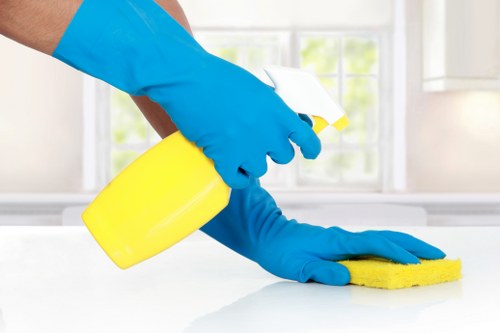
Routine maintenance is the foundation of successful rug cleaning. You do not need to deep clean a rug every week, but you should create habits that reduce soil buildup. The most basic and effective habit is vacuuming. Vacuuming at least once or twice a week helps pull surface dirt away before it embeds deeper into the pile.
Rotation is another easy but often overlooked step. Rugs in busy spaces wear unevenly because foot traffic usually hits the same areas. Rotating the rug every few months allows wear to distribute more evenly and helps prevent faded spots from appearing in one section.
It is also wise to address spills immediately. The faster you act, the less likely a stain is to settle. Blotting a spill with a clean cloth, rather than rubbing it in, is one of the simplest and most important rug cleaning habits anyone can learn.
Simple Routine for Better Rug Care
- Vacuum regularly using the correct attachment.
- Shake out smaller rugs outdoors when safe to do so.
- Rotate the rug to balance wear.
- Use rug pads to reduce friction and slipping.
- Blot spills quickly and avoid harsh scrubbing.
These small habits can dramatically reduce how often you need deep rug cleaning. They also help keep the rug’s structure healthier between professional services.
Spot Cleaning: Handling Stains Before They Set
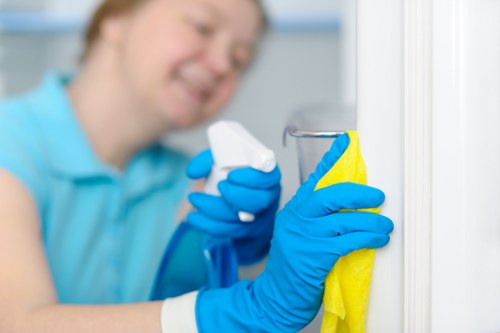
Spot cleaning is one of the most valuable parts of rug care. Accidents happen: coffee spills, pet messes, food drops, and muddy footprints are common. When they do, the goal is to remove the stain without spreading it or damaging the fibers. This is where careful rug cleaning technique matters most.
First, remove any solid debris gently with a spoon or dull edge. Then blot the area with a dry, absorbent cloth. Work from the outside of the stain inward to keep it from expanding. Avoid soaking the rug, because too much moisture can lead to dye bleeding, odors, or mold growth.
For many stains, a mild cleaning solution made for rugs or upholstery may be enough. However, it is important to use only a small amount and test it first. Heavy-duty cleaners, bleach, and abrasive scrubbing tools can cause more harm than good. When a stain is stubborn, targeted professional rug cleaning can often save the rug more effectively than repeated home attempts.
Stains That Need Fast Action
- Coffee and tea
- Wine and juice
- Pet accidents
- Mud and dirt
- Grease and food spills
- Ink and dye transfer
Fresh stains are far easier to remove than older ones. Acting quickly can mean the difference between a simple spot clean and a full rug washing service.
Deep Rug Cleaning Methods Explained
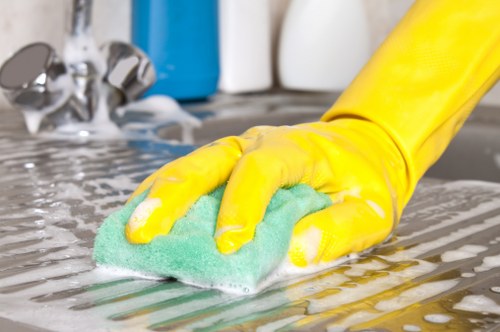
While routine maintenance handles surface dirt, deep rug cleaning is necessary when buildup reaches deeper fibers. Depending on the rug type and condition, deep cleaning may involve hand washing, hot water extraction, low-moisture cleaning, or specialized immersion methods. The best approach depends on the rug’s construction, fiber content, dye stability, and level of soiling.
Steam cleaning is often discussed, but it is not suitable for every rug. High heat and excess moisture can damage natural fibers or cause colors to run. For that reason, many professionals choose a more controlled rug washing process that balances cleaning power with fiber safety. This is especially important for vintage or handmade pieces.
Dry cleaning methods can be useful for certain delicate rugs, especially when moisture must be kept to a minimum. These methods often rely on cleaning compounds that lift dirt without saturating the rug. However, no method is universally perfect. The safest rug cleaning choice is the one matched to the specific rug.
Factors That Influence Deep Cleaning
- Fiber type and pile length
- Age and condition of the rug
- Type of stain or odor present
- Colorfastness of dyes
- Backing material and construction
- Whether the rug is handmade or machine-made
Choosing the right deep cleaning method preserves both appearance and durability. It also helps avoid costly damage from using an approach that is too aggressive.
Professional Rug Cleaning vs. DIY Rug Care
Many people prefer to handle some rug care themselves, and that can be perfectly reasonable for light maintenance. Vacuuming, spot cleaning, and occasional deodorizing are all tasks most homeowners can manage. But when the rug is large, valuable, heavily soiled, or delicate, professional rug cleaning becomes the smarter option.
Professionals bring specialized tools, fiber knowledge, and controlled cleaning environments. They can identify the rug material, evaluate problem areas, and select the safest treatment. They are also better equipped to handle odor removal, pet stains, water damage, and embedded dirt that home cleaning cannot fully reach.
DIY rug cleaning may seem cheaper at first, but using the wrong product or too much moisture can lead to bigger repair costs later. If you are unsure whether a rug can be cleaned safely at home, it is often best to book your service now rather than risk permanent damage.
When to Choose Professional Help
- The rug is antique, handmade, or high-value.
- There is deep odor from pets, smoke, or mildew.
- Stains have been sitting for a long time.
- The rug has color bleeding or dye instability.
- The rug feels stiff, dull, or heavily embedded with dirt.
Professional rug cleaning is especially valuable when you want both visible improvement and fiber protection. It is not just a luxury; in many cases, it is the safest route.
How Often Should Rugs Be Cleaned?
The right rug cleaning schedule depends on location, foot traffic, and the type of rug. A living room rug in a busy family home will need more attention than a decorative rug in a low-use guest room. As a general rule, vacuuming should happen weekly, and deep rug cleaning should occur every 12 to 18 months for most households.
Homes with pets, children, allergies, or frequent visitors may need rug washing more often. Entryway rugs and kitchen rugs also collect dirt quickly and often require more frequent attention. On the other hand, decorative rugs in low-traffic rooms may stay cleaner for longer with just regular maintenance.
It helps to think in terms of condition rather than only time. If a rug begins to smell musty, look dull, or feel gritty underfoot, it likely needs more than a quick vacuum. A thoughtful rug cleaning schedule keeps problems from building up unnoticed.
Typical Cleaning Frequency by Use
- High-traffic rugs: Vacuum weekly, deep clean every 6-12 months.
- Moderate-use rugs: Vacuum weekly or biweekly, deep clean every 12-18 months.
- Low-traffic rugs: Vacuum as needed, deep clean every 18-24 months.
These are general recommendations, not strict rules. The best schedule depends on how fast the rug collects dust and wear in your space.
Common Rug Cleaning Mistakes to Avoid
Even with good intentions, many people make mistakes that shorten a rug’s life. One of the biggest is using too much water. Excess moisture can damage backing materials, encourage mildew, and extend drying time. Another common mistake is scrubbing aggressively, which can distort fibers and make stains spread wider.
Using the wrong chemical product is another concern. Some cleaners are too harsh for wool, silk, or natural fibers. Others leave residue that attracts more dirt after cleaning. The goal of rug cleaning should always be to restore the rug, not simply make it look clean for a day or two.
Skipping drying is also a problem. A rug that is not fully dry can develop odor, discoloration, or mold. Whether you clean it yourself or hire a professional, proper drying is a critical step in the process.
Mistakes That Can Cause Damage
- Over-wetting the rug
- Using bleach or strong solvents
- Scrubbing stains too hard
- Ignoring care labels
- Failing to dry the rug completely
- Waiting too long to treat spills
Careful cleaning is always better than aggressive cleaning. In rug care, patience usually produces better results than force.
Odor Removal and Allergen Control
Rugs can trap smells from pets, cooking, smoke, dampness, and everyday activity. A rug may look clean but still hold odor deep within the fibers. That is why odor removal is a major part of effective rug cleaning. Surface deodorizing may help temporarily, but deep cleaning is often needed for lasting freshness.
Allergen control is another important benefit. Dust and pollen easily become embedded in fibers and can be released back into the air each time the rug is disturbed. This can affect comfort, especially for people with allergies or asthma. Regular rug cleaning reduces that buildup and supports a healthier indoor environment.
For homes with pets, odor management often requires more than fragrance sprays. Pet urine and dander can soak into fibers and backing layers, making standard home products insufficient. Specialized rug cleaning can neutralize these odors more effectively while protecting the rug structure.
Freshness Tips Between Deep Cleans
- Vacuum frequently with strong suction.
- Air out rugs when weather and material allow.
- Treat pet accidents immediately.
- Use a rug pad to improve airflow underneath.
- Schedule periodic deep rug cleaning before odors build up.
Fresh rugs can make the whole room feel cleaner. That is why odor and allergen control should be treated as part of regular rug care, not as an afterthought.
Preparing a Rug for Cleaning
Before any rug cleaning begins, a little preparation can improve results and reduce the chance of damage. Start by moving nearby furniture if needed and checking the rug for loose threads or fragile areas. If the rug has fringe, handle it gently because fringe can tangle or fray easily during cleaning.
It is also useful to identify the most heavily soiled spots before starting. That allows you to focus attention where it matters most. For larger rugs, this inspection can help determine whether a spot clean is enough or whether full rug washing is necessary.
If you plan to use a home method, make sure the room is well ventilated and that you have enough time for proper drying. Rug cleaning should never be rushed. A rushed job can leave behind moisture, residue, or uneven results that are harder to fix later.
Quick Preparation Checklist
- Inspect the rug for damage or weak areas.
- Test cleaning products in a hidden spot.
- Vacuum both sides if possible.
- Remove furniture or breakables nearby.
- Plan for full drying time after cleaning.
Preparation may seem minor, but it helps create better, safer results. A few extra minutes before cleaning can protect the rug from avoidable damage.
Why Rug Cleaning Improves the Look of Your Space
A clean rug can change the feel of an entire room. Colors appear brighter, patterns become clearer, and the room feels more polished overall. When a rug is filled with dust and dullness, even the best furniture and decor may look less appealing. Strong rug cleaning restores that visual balance.
Clean rugs also support better maintenance throughout the rest of the home. Less dirt in the rug means less dirt tracked into adjoining rooms. That can make routine floor care easier and reduce the amount of dust floating through the space. In this way, rug cleaning contributes to a tidier home beyond the rug itself.
For businesses, the appearance benefit is even more important. Reception areas, offices, hospitality spaces, and retail environments all rely on a neat, professional look. Well-maintained rugs send a strong message about care and cleanliness. If presentation matters, regular rug cleaning should be part of the upkeep plan.
Choosing the Right Rug Cleaning Approach
The best rug cleaning approach depends on a few core questions: What is the rug made of? How dirty is it? Has it been exposed to pets, spills, or water damage? Does it require gentle handling or can it tolerate stronger treatment? Answering these questions helps you choose wisely.
For everyday upkeep, vacuuming and spot treatment are usually enough. For deeper soil, professional rug cleaning or controlled rug washing is often necessary. For fragile or high-value items, a specialist who understands fiber behavior may be the safest option. Matching the method to the rug prevents damage and improves long-term results.
Most importantly, do not wait until the rug looks severely dirty. Regular care is easier, safer, and more cost-effective than repairing damage after the fact. If your rug needs attention, take action early and choose a method that respects the material.
Ready to refresh your floors? Contact us today and book your service now to keep your rugs looking their best.
Final Thoughts on Rug Cleaning
Rug cleaning is one of the simplest ways to protect your investment, improve indoor cleanliness, and make your space feel more inviting. A consistent routine of vacuuming, spot cleaning, and periodic deep cleaning can prevent many common problems before they begin. The right method depends on the rug’s material, age, and condition, but the overall goal is always the same: cleaner fibers, better appearance, and longer life.
Whether you handle basic maintenance at home or choose professional rug cleaning for deeper care, the key is to act before dirt and stains become permanent. Rugs work hard every day, and they deserve regular attention in return. With the right approach, your rugs can stay vibrant, comfortable, and attractive for years.
If your rug is overdue for care, now is a great time to take the next step. Book your service now and give your home the cleaner, fresher look it deserves.