Communal Area Cleaning: Creating Safer, Fresher Shared Spaces
Communal area cleaning plays a vital role in keeping shared spaces healthy, welcoming, and functional. Whether in apartment blocks, office buildings, housing associations, student accommodations, or mixed-use developments, the condition of communal areas shapes how people experience the entire property. Clean lobbies, polished hallways, sanitised touchpoints, and fresh-smelling corridors all contribute to comfort, safety, and first impressions.
Because communal spaces are used by many people throughout the day, they accumulate dirt, dust, germs, and wear much faster than private areas. That is why professional communal area cleaning is more than a simple aesthetic service. It supports hygiene, reduces complaints, protects surfaces, and helps building managers maintain a high standard of care. Regular cleaning of shared spaces can also improve resident satisfaction and create a better environment for visitors, staff, and tenants alike.
In this article, we will explore what communal area cleaning includes, why it matters, how it is carried out, and what to look for in a reliable cleaning service. If you are responsible for a residential or commercial building, you will also find practical tips for improving standards and keeping communal areas in excellent condition year-round.
What Is Communal Area Cleaning?
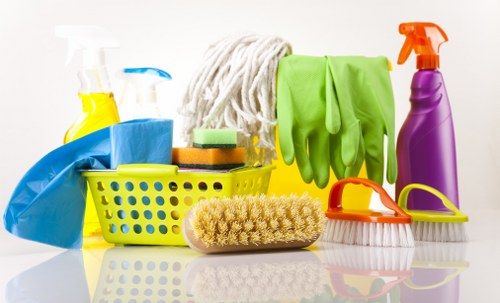
Communal area cleaning refers to the routine and specialist cleaning of spaces shared by multiple people. These areas may include entrances, stairwells, corridors, lifts, reception zones, mail areas, laundry rooms, shared kitchens, bin stores, and external walkways. The goal is to keep these areas clean, safe, and presentable for everyone who uses them.
Unlike domestic cleaning in a private home, communal area cleaning must account for high foot traffic, varied usage patterns, and public-facing standards. Shared areas are often touched repeatedly, which means surfaces like handrails, door handles, light switches, intercoms, and lift buttons need frequent sanitisation. Regular sweeping, mopping, vacuuming, and waste removal also help control dust and debris.
Many property managers arrange a tailored communal cleaning schedule based on building size, occupancy, and usage. This often includes daily, weekly, or bi-weekly cleaning tasks. For larger developments, specialist services may also be added for window cleaning, floor polishing, or periodic deep cleaning.
Why Communal Area Cleaning Matters
Clean shared spaces are essential for both health and appearance. In a building with frequent traffic, dirt spreads quickly from shoes, prams, parcels, pets, and outdoor weather. Without regular communal area cleaning, the property can begin to look neglected, and residents may feel less valued.
From a hygiene perspective, shared surfaces can become hotspots for bacteria and viruses. This is especially true in apartment blocks, office buildings, and student housing where many hands touch the same points each day. A structured cleaning routine helps reduce the spread of germs and creates a healthier environment for everyone.
There is also a strong visual and financial benefit. Well-maintained communal areas improve property presentation, support tenant retention, and may even help preserve asset value. First impressions matter, and when visitors enter a clean lobby or walk through a fresh corridor, they immediately sense that the building is well cared for.
Key Benefits at a Glance
- Improved hygiene and reduced germ spread
- Better appearance and stronger first impressions
- Lower risk of odours, pests, and waste build-up
- Enhanced safety through tidier floors and clearer walkways
- Greater resident and tenant satisfaction
Common Areas That Need Regular Cleaning

A complete communal area cleaning service should cover every high-traffic shared space in the property. The exact scope depends on the building type, but most services include a combination of indoor and outdoor tasks. The most commonly cleaned areas include lobbies, hallways, stairs, lifts, and entrance mats.
Other important spaces are bin rooms, recycling points, shared laundry rooms, bike storage areas, and car park access routes. These locations often collect dirt, litter, and moisture quickly, especially during wet weather. Keeping them clean reduces mess and helps prevent slip hazards.
In some buildings, communal area cleaning also extends to glass panels, skirting boards, wall marks, notice boards, and door frames. These details matter because they influence the overall impression of the property. Small, consistent cleaning actions can make a major difference in how maintained a building feels.
Typical Shared Areas Include:
- Entrance halls and reception areas
- Corridors and stairwells
- Lifts and lift lobbies
- Bin storage rooms and waste areas
- Shared kitchens or break rooms
- External walkways and entry points
What a Professional Communal Cleaning Service Usually Includes
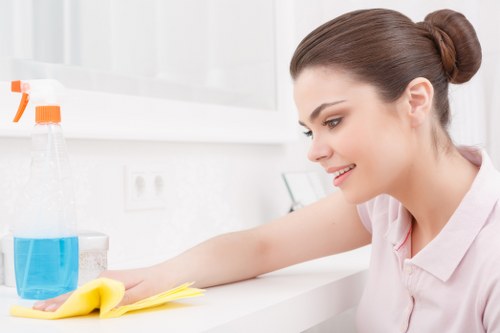
Professional communal area cleaning services are designed to be thorough, reliable, and adaptable to the needs of the building. A standard visit typically includes sweeping or vacuuming floors, mopping hard surfaces, emptying bins, wiping down touchpoints, and removing visible marks from glass and fixtures. These core tasks help maintain a consistently clean environment.
Depending on the agreement, cleaners may also disinfect high-touch surfaces, clean mirrors, refresh entrance mats, and tidy litter from shared corners or alcoves. In properties with more demanding needs, extra tasks can include machine scrubbing, floor buffing, pressure washing, and periodic deep cleaning of neglected spaces.
A well-planned service is usually built around a detailed checklist. This ensures nothing is overlooked and that each communal space gets attention according to its level of use. Consistency is one of the biggest advantages of using a professional provider, because the standard remains steady from one visit to the next.
Examples of Service Tasks
- Vacuuming carpets and runners
- Mopping tiled or vinyl floors
- Cleaning handrails and bannisters
- Sanitising lift buttons and switches
- Wiping skirting boards and ledges
- Removing cobwebs and dust from corners
Communal Area Cleaning for Residential Buildings

In residential properties, communal area cleaning is especially important because residents expect shared spaces to feel safe, tidy, and comfortable. Apartment blocks, housing estates, and shared accommodation properties rely on regular cleaning to keep the building pleasant for daily use. When hallways and stairwells are kept in good condition, residents are more likely to respect the space and report issues quickly.
Residential communal spaces often face unique challenges. These can include muddy footprints in winter, food spillages, pet hair, discarded packaging, and marks on walls from moving furniture or deliveries. A cleaning team must therefore work efficiently while paying attention to detail. Routine maintenance helps prevent these issues from building up over time.
For landlords, letting agents, and property managers, well-executed communal area cleaning also helps reduce complaints. Residents tend to notice dirty bin stores, unpleasant odours, and dusty corners very quickly. By maintaining high standards, management teams can improve trust and create a stronger sense of community within the building.
Residential Priorities
- Clean and welcoming entrances
- Safe staircases and hallways
- Odour control in waste and bin areas
- Regular sanitisation of touchpoints
- Removal of litter, cobwebs, and dust
Communal Area Cleaning for Commercial Premises
Commercial buildings also benefit greatly from professional communal area cleaning. Office lobbies, shared kitchens, conference corridors, and washroom access areas are heavily used throughout the day. Clean communal spaces support productivity, reinforce professionalism, and help visitors feel comfortable from the moment they arrive.
In an office setting, cleanliness contributes to employee wellbeing as well. Shared kitchens and break areas can become unhygienic if not cleaned regularly, while entrance spaces may collect outdoor dirt and moisture. Keeping these places presentable reduces distractions and supports a more organised working atmosphere.
For retail units, business centres, and mixed-use properties, communal area cleaning is part of overall brand perception. Clients, customers, and employees often judge the quality of a business by the condition of its shared areas. A spotless reception or corridor sends a strong message that standards matter.
Commercial Cleaning Focus Points
- Reception and lobby presentation
- Shared kitchen hygiene
- Lift and corridor cleanliness
- Glass, chrome, and decorative surface care
- Waste management and restocking support
How Often Should Communal Areas Be Cleaned?
The right cleaning frequency depends on the size of the property, the number of users, and the level of footfall. A small building with limited occupancy may only need weekly communal area cleaning, while a busy apartment block or commercial premises may require daily attention. High-use touchpoints should often be cleaned more frequently than general floor areas.
A good schedule balances practical needs and budget efficiency. For example, entrance areas, lifts, and bin rooms may need daily service, while low-traffic corridors may only need weekly dusting and mopping. Seasonal changes also matter. Wet and muddy weather usually increases the need for more frequent floor cleaning and mat maintenance.
Property managers should also review the schedule regularly. If complaints increase or visible dirt appears between visits, the routine may need to be adjusted. Flexible cleaning plans are often the best choice because they can be scaled according to usage patterns and resident expectations.
Factors That Affect Frequency
- Number of occupants or visitors
- Building type and size
- Seasonal weather conditions
- Presence of pets or children
- Waste volume and bin usage
Tools and Products Used in Communal Area Cleaning
Effective communal area cleaning depends on using the right tools and products for each surface. Vacuum cleaners, microfiber cloths, mops, dusters, sanitising sprays, floor-safe detergents, and glass cleaners are all common essentials. For larger properties, professional cleaning teams may also use scrubber dryers, steam cleaners, or specialist floor-care equipment.
Product choice matters because different materials require different treatment. For example, marble, vinyl, carpet, stainless steel, and glass each need suitable products to avoid damage or residue. Using the wrong chemical can dull surfaces, leave streaks, or shorten the life of fixtures and finishes.
Eco-friendly solutions are increasingly popular in communal area cleaning. Many property owners now prefer low-toxicity, biodegradable products that are safer for residents, pets, and staff. Sustainable cleaning practices can still deliver excellent results while reducing environmental impact.
Useful Equipment Includes:
- Microfiber cloths for dust and marks
- Commercial vacuum cleaners
- Wet mops and bucket systems
- Scrubber dryers for hard floors
- Non-abrasive cleaning agents
- Disinfectants for high-touch points
Health, Safety, and Hygiene Considerations
Communal area cleaning is closely linked to health and safety. Dirty floors, cluttered corridors, and neglected waste areas can create trip hazards, pest problems, and unpleasant odours. In busy buildings, poor cleaning standards may also lead to germ transmission through shared surfaces. That is why hygiene protocols are so important in communal settings.
Cleaners should pay particular attention to slip risks from wet floors, spills, and rainy weather. Warning signs, proper drying methods, and routine inspections can reduce accidents. Touchpoint cleaning is equally important because shared handles and buttons are often used hundreds of times a day.
Building managers should also ensure cleaning routines comply with relevant safety procedures and material handling standards. Clear communication with residents or staff can prevent confusion during service times and help keep areas accessible. Good planning makes the cleaning process smoother and safer for everyone involved.
Choosing the Right Communal Area Cleaning Provider
Not every cleaning company is the same, so selecting the right provider matters. A dependable communal area cleaning service should understand the specific needs of shared spaces, have experience with similar buildings, and be able to adapt to changing requirements. Reliability, attention to detail, and clear communication are all important qualities.
When comparing providers, ask about checklists, supervision, staff training, and the types of products used. You may also want to know whether the company can offer flexible schedules, emergency call-outs, or seasonal deep cleans. A strong provider will be transparent about their process and able to tailor the service to your property.
It is also helpful to look for a company that values consistency. Communal area cleaning works best when the standard remains stable week after week. Trust and routine are key, because residents and visitors should always know what level of cleanliness to expect.
What to Look For
- Proven experience in shared spaces
- Customisable cleaning schedules
- Trained and insured staff
- Clear service checklists
- Responsive communication and oversight
Best Practices for Maintaining Shared Spaces Between Visits
Even with professional communal area cleaning, everyday habits also affect how clean a building stays. Small actions by residents, staff, or users can make a big difference. For example, keeping entrance mats in place, reporting spills quickly, and disposing of rubbish correctly all help preserve standards between scheduled cleans.
Property managers may also introduce simple measures like signage, litter bins in key locations, and regular inspections. These steps encourage better behaviour and make it easier to maintain good conditions. In busy buildings, a little prevention can reduce the need for extensive corrective cleaning later on.
Communication is another powerful tool. When users understand why shared spaces must be respected, they are more likely to cooperate. That means less litter, fewer spills, and cleaner corridors. Shared responsibility supports a cleaner building for everyone.
Simple Maintenance Tips
- Place durable mats at entrances
- Encourage prompt spill reporting
- Empty bins before they overflow
- Keep corridors free from personal items
- Schedule periodic inspections
Seasonal Challenges in Communal Area Cleaning
Different seasons create different cleaning challenges. In winter, communal area cleaning often involves more mud, salt, moisture, and debris brought in on shoes and clothing. This can quickly affect entrance mats, stairwells, and lift lobbies. In spring and autumn, increased rainfall and falling leaves may also create extra mess around outdoor access points.
Summer brings its own concerns, including odours from waste rooms, dust build-up from open windows, and higher traffic in some residential developments. A good cleaning schedule should account for these seasonal shifts. By adjusting frequency and priorities, cleaners can keep standards high throughout the year.
Seasonal deep cleaning can also be valuable. This may include scrubbing floors, cleaning behind furniture, washing walls, or refreshing areas that are not covered during routine visits. Seasonal planning helps keep communal areas looking their best no matter the weather.
Why Regular Communal Area Cleaning Supports Property Value
For property owners and managers, communal area cleaning is an investment in long-term value. A building that is consistently clean tends to experience less deterioration, fewer complaints, and better occupant satisfaction. Over time, this can support rentability, retention, and overall market appeal.
Neglected shared spaces can have the opposite effect. Stained carpets, dusty surfaces, overflowing waste points, and poor odour control may make the entire property seem poorly managed. These issues can influence how people view the building, even if private units are well maintained. In this sense, the condition of communal areas acts as a visible reflection of management quality.
Regular care also protects fixtures and finishes. Dirt and moisture can wear down surfaces more quickly if not removed. By staying on top of communal area cleaning, property owners help extend the life of flooring, paintwork, glass, and fittings. That makes the service both practical and financially sensible.
Final Thoughts on Communal Area Cleaning
Communal area cleaning is essential for maintaining hygienic, attractive, and safe shared spaces. From residential blocks to commercial premises, a well-managed cleaning routine improves everyday life for everyone who uses the building. It supports cleanliness, reduces health risks, protects surfaces, and creates a more positive environment.
When communal spaces are cleaned with care and consistency, they become easier to manage and more pleasant to use. The right provider will understand the demands of high-traffic areas, tailor the service to the building, and deliver reliable results. Whether you manage a small property or a large development, investing in professional communal area cleaning is a smart decision that delivers lasting value.
Ready to improve the standard of your shared spaces? Contact us today to discuss your needs, or book your service now and keep your communal areas fresh, tidy, and welcoming all year round.