Office Cleaning That Supports Productivity, Health, and a Better Workplace
Office cleaning is one of the most important parts of maintaining a professional, healthy, and productive work environment. A tidy workplace does more than make a good first impression; it helps reduce germs, improve air quality, support employee morale, and protect the long-term condition of furniture, flooring, and equipment. Whether you manage a small startup, a busy corporate suite, or a shared workspace, consistent office cleaning plays a major role in how people experience the space every day.
In many businesses, cleaning is treated as a background task, but its impact is visible everywhere. Clean desks, polished floors, sanitized restrooms, and organized common areas help create a setting where employees can focus and visitors feel welcome. Professional office cleaning also reduces clutter and minimizes distractions, which can support stronger concentration and better overall workflow. For companies looking to present a polished image, office cleaning is not optional; it is part of daily operational success.
Modern workplaces also face higher expectations than before. Teams now share desks, use common meeting rooms, and interact in open-plan spaces where cleanliness matters even more. That is why office cleaning services must be practical, consistent, and customized to the needs of each business. From high-touch disinfection to detailed carpet care, the right approach keeps the workplace looking sharp and functioning smoothly.
Why Office Cleaning Matters for Every Business
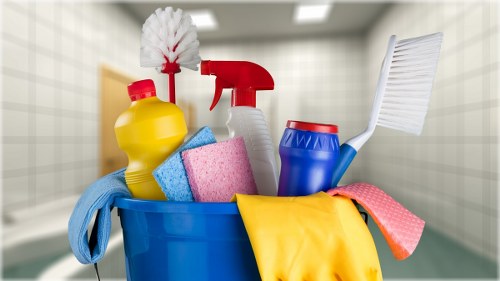
Every business benefits from a clean and well-maintained office. The most obvious reason is appearance, but the deeper value of office cleaning goes beyond visual appeal. A well-cleaned space helps reduce dust buildup, decreases the spread of bacteria and viruses, and makes it easier for employees to work comfortably. In a setting where people spend hours each day, cleanliness directly affects wellness and performance.
Office cleaning also influences brand perception. Clients, vendors, and interview candidates quickly notice whether a workplace feels organized and cared for. When entryways are clean, floors are spotless, and shared areas are fresh, the business appears dependable and detail-oriented. Clean office spaces signal professionalism before a single meeting starts.
There is also a practical side to it. Dirt, grime, and neglected surfaces can wear down assets over time. Carpets may stain, hard floors can dull, and furniture may deteriorate faster if not maintained properly. Regular office cleaning helps protect these investments and can lower long-term repair and replacement costs.
Health, morale, and productivity benefits
Clean environments support healthier teams. Dust, allergens, and germs can linger on desks, keyboards, doorknobs, and shared kitchen surfaces. Routine office cleaning reduces these risks and creates a more comfortable environment for everyone. When employees feel safe and cared for, they are more likely to stay focused and engaged.
Morale also improves in a well-kept workplace. People are naturally more motivated in spaces that feel organized and fresh. Messy break rooms, overflowing bins, and dusty meeting areas can create frustration and make the office feel chaotic. A reliable office cleaning routine helps maintain a calm and professional atmosphere.
Productivity often increases as a result. Time is not wasted navigating cluttered workstations or searching for items in disorganized shared spaces. A clean office encourages structure and helps employees move through the day with fewer interruptions. For many businesses, this makes office cleaning a smart operational investment rather than a simple maintenance task.
What Professional Office Cleaning Typically Includes

Professional office cleaning can be tailored to different industries, building sizes, and schedules. While each workplace has unique needs, most services cover the same essential areas. The goal is to keep high-traffic and high-touch spaces hygienic, presentable, and functional throughout the week. A dependable cleaning plan usually includes both visible cleaning and preventative maintenance.
Common office cleaning tasks may include dusting desks and shelving, vacuuming carpets, mopping hard floors, emptying trash bins, sanitizing shared surfaces, and cleaning restrooms. In many offices, cleaners also wipe glass doors, clean reception areas, maintain kitchens, and disinfect frequently touched items such as light switches, handles, and shared devices.
Some businesses need more specialized support. This may involve carpet extraction, floor polishing, window cleaning, deep kitchen sanitation, or post-construction cleaning. In larger buildings, office cleaning may also include lobby maintenance, elevator detailing, and regular care of conference rooms and break areas.
Routine tasks versus deep cleaning
Routine office cleaning focuses on daily or weekly upkeep. These tasks keep the space usable and tidy, such as wiping down surfaces, collecting waste, and refreshing restrooms. This type of maintenance is essential for keeping the office in good condition between more intensive cleanings.
Deep cleaning goes further. It targets hidden dirt, built-up grime, and areas that do not get detailed attention during standard visits. Baseboards, vents, grout lines, upholstery, and behind furniture are common deep-cleaning zones. Office deep cleaning is especially valuable during seasonal transitions, after illnesses spread through the office, or before major events and inspections.
When both routines work together, the workplace stays consistently clean rather than only looking good on the surface. This balanced approach is one of the strongest advantages of professional office cleaning.
Useful areas covered in many office cleaning plans
- Reception and lobby cleaning
- Desk and workstation surface sanitation
- Restroom disinfection and restocking
- Kitchen and breakroom cleaning
- Trash removal and recycling support
- Floor vacuuming, sweeping, and mopping
- Glass and mirror cleaning
- High-touch point disinfection
How to Build an Effective Office Cleaning Schedule

A strong office cleaning plan starts with understanding the daily rhythm of the workplace. Offices with heavy foot traffic need more frequent service than smaller teams with limited visitor flow. A schedule should reflect how often certain areas are used, what materials are in the space, and how much sanitation is needed to maintain a healthy environment.
For example, restrooms, kitchens, and reception areas often require daily attention. Conference rooms and shared workstations may need surface sanitization multiple times a week, especially in collaborative offices. Carpets, windows, and floors may require less frequent but more detailed office cleaning to keep them in top shape.
Scheduling also depends on business hours. Some companies prefer after-hours service to avoid disruptions, while others want daytime support for restocking, touch-up cleaning, or emergency response. A flexible plan allows office cleaning to happen around meetings, client visits, and employee routines without interfering with productivity.
Weekly, monthly, and seasonal priorities
A smart cleaning schedule often includes different layers of maintenance. Weekly tasks may focus on bathrooms, floors, trash removal, and high-touch disinfection. Monthly tasks might include deeper dusting, carpet spot treatment, and cleaning overlooked surfaces. Seasonal office cleaning can address vents, windows, upholstery, and hard-to-reach areas that collect dust over time.
To make scheduling easier, many businesses organize cleaning priorities into tiers:
- Daily: trash removal, restroom care, sanitizing shared touchpoints
- Weekly: vacuuming, mopping, kitchen cleaning, desk surface wiping
- Monthly: detailed dusting, glass polishing, upholstery maintenance
- Seasonal: deep cleaning, floor treatment, air vent cleaning, full refresh
When office cleaning is planned this way, the space stays consistently fresh and easier to maintain over time.
Tip for better schedule planning
Match cleaning frequency to risk and usage. High-traffic areas and shared surfaces should receive more attention than low-use storage rooms or rarely accessed spaces.
Key Areas That Deserve Extra Attention
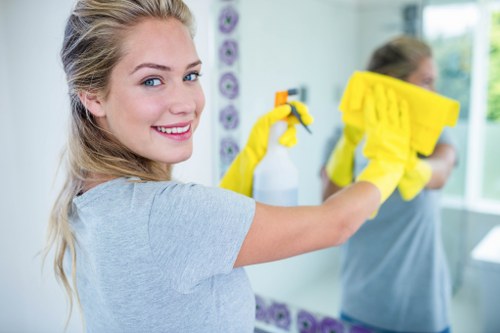
Some parts of the office need more than standard upkeep because they carry more germs, collect more dust, or leave a stronger impression on visitors. These areas often determine whether the workplace feels truly clean or only partially maintained. Attention to detail matters, especially in spaces that people use repeatedly throughout the day.
Reception areas are one of the first places visitors notice. Smudged glass, dusty tables, and clutter can create a negative impression even if the rest of the office is clean. A polished front area communicates order, confidence, and professionalism. For this reason, reception-focused office cleaning should be a priority in any commercial cleaning plan.
Restrooms also deserve consistent care because they are among the most sensitive areas in any building. Proper restroom cleaning includes sanitation, odor control, floor care, sink and fixture wiping, and regular restocking of supplies. Clean restrooms are essential for employee comfort and visitor satisfaction.
Shared spaces and touchpoints
Breakrooms, kitchens, and conference rooms are high-use spaces that can become messy quickly. Crumbs, spills, fingerprints, and waste buildup can happen in a single day. Regular office cleaning keeps these areas safe and comfortable while supporting good hygiene practices. Shared spaces should be cleaned with special attention to countertops, appliances, chairs, and table surfaces.
High-touch points are another critical focus. These include doorknobs, elevator buttons, handrails, switch plates, copy machines, and shared equipment. Because multiple people interact with these items throughout the day, sanitizing them frequently helps lower the spread of germs.
Workstations matter too. Even in flexible office environments, desks and shared work surfaces should be cleaned with care. Keyboard areas, monitors, desk edges, and chair arms can collect dust and debris faster than many businesses realize. A thorough office cleaning routine keeps these areas fresh and usable.
To keep key areas under control, businesses often use a simple priority list:
- Reception and entrance zones
- Restrooms and wash areas
- Breakrooms and kitchens
- Shared desks and collaboration tables
- Conference and meeting rooms
- Copy stations and supply areas
Choosing the Right Office Cleaning Approach
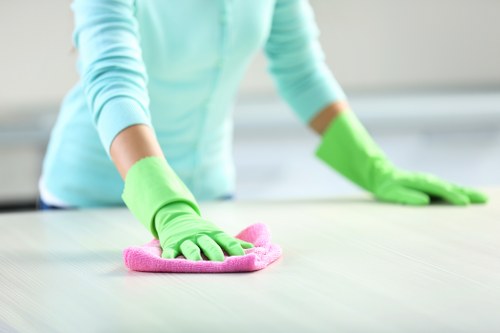
Not every business needs the same office cleaning setup. The right approach depends on office size, employee count, floor type, shared amenities, and the level of foot traffic. A startup with ten employees may need a simple schedule, while a large office building may need a structured multi-zone service plan. Choosing the right cleaning model helps control costs while preserving quality.
Some businesses use in-house staff for basic upkeep, while others rely on commercial office cleaning providers for consistency and expertise. In-house cleaning may work well for smaller spaces, but it can become difficult to maintain high standards without proper equipment, training, and oversight. Outsourced office cleaning often provides better flexibility, more specialized tools, and more reliable results.
Businesses should also consider the materials in the office. Different floors, counters, and furnishings require different products and methods. Hard surfaces may need disinfectants that do not leave residue, while carpets may require stain-specific treatment. Using the right technique protects the office and prevents unnecessary wear.
Questions to ask before choosing a service
Before hiring a team, it helps to define expectations clearly. This makes office cleaning more effective and reduces confusion over responsibilities. Important questions include:
- How often should each area be cleaned?
- Which tasks are included in standard service?
- Are eco-friendly products available?
- Can the schedule be adjusted around business hours?
- Is deep cleaning offered when needed?
- How are high-touch areas handled?
Clear answers help build a cleaning plan that fits the workplace rather than forcing the workplace to adapt to a rigid service model. This flexibility is a major reason why professional office cleaning is so valuable.
Tip: Review cleaning needs regularly as the office grows or changes layout. A plan that worked last year may not be enough for a larger team or a busier schedule.
Signs your office needs a stronger cleaning routine
If any of the following are common, it may be time to upgrade your office cleaning strategy:
- Visible dust on desks, vents, and shelving
- Lingering odors in kitchens or restrooms
- Sticky floors or dull hard surfaces
- Frequent clutter in common areas
- Employees reporting discomfort or allergies
- Visitors noticing untidy entrance areas
Why Office Cleaning Supports Long-Term Business Value
Office cleaning is often viewed as a daily necessity, but it also contributes to the long-term value of a business. Clean flooring lasts longer, furniture stays in better shape, and equipment is less likely to suffer from dust and residue buildup. Over time, these small benefits add up to meaningful savings and better workplace performance.
There is also a customer-facing benefit. A clean office supports trust. When people walk into an orderly environment, they are more likely to assume the business is organized in other areas too. That perception can matter during sales meetings, interviews, onboarding, and client presentations. A polished setting helps reinforce a strong brand identity.
Employee retention and satisfaction can also improve in a clean office. Workers appreciate a company that invests in their comfort and health. When breakrooms are sanitary, meeting spaces are presentable, and common areas are well cared for, the workplace feels more respectful and professional. Reliable office cleaning helps communicate that the company values its people.
Eco-friendly options and modern expectations
Many businesses now prefer greener cleaning methods. Eco-friendly office cleaning products can reduce harsh chemical exposure and support a healthier indoor environment. Low-odor, non-toxic, and sustainable products are especially appealing in offices with sensitive employees or frequent visitors. Green practices can also align with broader corporate sustainability goals.
Modern office cleaning can include microfiber tools, HEPA-filter vacuums, and efficient water-use methods that support both cleanliness and environmental responsibility. When combined with a thoughtful schedule, these practices improve results while reducing waste.
Businesses that want a cleaner, safer, and more efficient office often find that the best strategy is consistency. The more routine the office cleaning process becomes, the easier it is to maintain standards and prevent small issues from turning into bigger problems.
Final thought
Clean offices create cleaner habits, better impressions, and stronger day-to-day performance. If your workplace is ready for a more consistent standard, now is the right time to improve your office cleaning plan. Contact us today and book your service now to keep your office looking professional, healthy, and ready for business.