End of Tenancy Cleaning in London: A Practical, High-Quality Approach for Stress-Free Move-Outs
End of tenancy cleaning in London is one of the most important steps tenants, landlords, and letting agents need to plan carefully before a rental property changes hands. Whether you are moving out of a flat in Zone 1, a family home in the suburbs, or a shared property near a busy transport hub, the final condition of the property can affect deposit returns, landlord satisfaction, and the speed of the next tenancy. A well-executed end of tenancy cleaning service helps ensure the property is left spotless, hygienic, and ready for inspection.
For many people, end of tenancy cleaning in London is more than just a routine tidy-up. It often means deep-cleaning kitchens, bathrooms, living areas, carpets, skirting boards, windows, and hard-to-reach spaces that may have been overlooked during everyday living. Because London rentals vary widely in size, age, and layout, a tailored cleaning approach is usually the best way to achieve excellent results. This is especially true in competitive rental markets where expectations can be high.
In this article, we explore what end of tenancy cleaning involves, why it matters, which areas need the most attention, and how tenants can prepare for a smooth handover. You will also find practical tips, a room-by-room breakdown, and useful advice on avoiding common mistakes. If you are preparing to move, end of tenancy cleaning in London can make the transition far less stressful and far more efficient.
What End of Tenancy Cleaning in London Really Means

End of tenancy cleaning in London refers to a thorough, detailed cleaning process carried out at the end of a rental agreement. The aim is to return the property to a clean and presentable condition, often meeting the standards expected by landlords, estate agents, or inventory clerks. Unlike regular housekeeping, this type of cleaning goes deeper and includes neglected areas that build up dust, grime, grease, and limescale over time.
Professional end of tenancy cleaning in London typically covers every major surface in the property. This may include internal windows, kitchen appliances, cupboards, sinks, taps, baths, toilets, floors, doors, and light switches. In some cases, the service may also include carpet cleaning, upholstery attention, or additional treatments depending on the property’s condition and the landlord’s requirements.
Because London properties range from compact studio apartments to multi-bedroom townhouses, the scope of the work can vary significantly. Still, the goal remains the same: make the property as clean as possible so that it passes inspection with minimal issues. For tenants, this often means protecting a deposit. For landlords, it means presenting a fresh, appealing space to the next occupants.
Why End of Tenancy Cleaning Matters for Tenants and Landlords

There are several reasons why end of tenancy cleaning in London matters. First, it directly impacts the likelihood of getting a full deposit back. Many tenancy agreements state that a property must be returned in a clean condition, and disputes can arise if the standard is not met. Deep cleaning the property helps demonstrate that the tenant has met their responsibilities.
Second, end of tenancy cleaning supports a smoother transition between tenants. A clean and well-maintained property can be marketed faster, photographed more attractively, and handed over more efficiently. This is especially valuable in London’s fast-moving rental market, where delays can be costly for landlords and letting agencies.
Third, the process helps maintain hygiene and comfort. Kitchens and bathrooms often accumulate hidden dirt, grease, soap residue, and moisture-related issues. A proper clean reduces unpleasant odours, eliminates visible build-up, and leaves the entire property feeling fresher and more welcoming. In a city where many tenants live in smaller spaces, cleanliness can make a huge difference.
Key Benefits at a Glance
- Improves deposit return prospects
- Meets tenancy agreement cleaning expectations
- Supports faster re-letting
- Enhances property presentation
- Reduces stress during moving day
Areas Typically Covered in End of Tenancy Cleaning in London
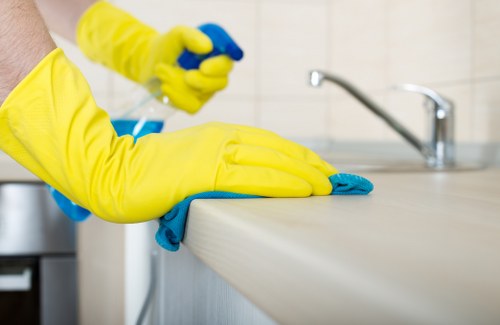
Every professional end of tenancy cleaning in London should include a detailed checklist. While exact tasks can vary depending on the property, a strong service usually focuses on every room and the surfaces most likely to be inspected. This ensures the property is left in a condition that is both visually clean and hygienically sound.
Kitchens are often the most demanding area because grease, food splashes, and appliance residue build up over time. An effective kitchen clean includes the oven, hob, extractor fan, cupboards, countertops, sink, tiles, splashbacks, and appliance exteriors. In some cases, inside cupboards and behind appliances also need attention, especially if the inventory report is strict.
Bathrooms require equally detailed work. Limescale, soap scum, mould spots, water marks, and grime can all affect how the room looks during inspection. Thorough cleaning should cover the toilet, basin, bath, shower screen, tiles, mirrors, taps, and floor. Living rooms, bedrooms, hallways, and utility spaces also need dusting, vacuuming, wiping, and floor cleaning.
Common Cleaning Tasks by Room
- Dusting shelves, skirting boards, and surfaces
- Wiping internal doors and handles
- Vacuuming carpets and mopping hard floors
- Cleaning windowsills, frames, and glass
- Removing cobwebs and surface debris
- Polishing mirrors and reflective surfaces
Some properties may also require cleaning of balconies, wardrobes, blinds, or conservatories. If the property has pet-related wear, additional attention to upholstery, carpets, and corners may be needed. A professional end of tenancy cleaning in London service is often designed to adapt to these special circumstances.
How End of Tenancy Cleaning in London Differs from Regular Cleaning

Many people assume that regular household cleaning is enough when moving out, but end of tenancy cleaning in London is usually much more detailed. Normal cleaning focuses on maintenance and everyday tidiness, while end-of-tenancy work aims to restore the property to a near-sanitised, inspection-ready condition. This difference is important because deposit disputes often arise when the cleanliness level does not match expectations.
Regular cleaning may involve wiping surfaces, vacuuming floors, and cleaning visible dirt. By contrast, end of tenancy cleaning includes heavy-duty attention to hidden areas such as inside ovens, behind radiators, around taps, along skirting boards, and in corners where dust naturally accumulates. It is not unusual for professionals to spend several hours on a single property, especially when the home has been occupied for a long period.
Another major difference is the use of specialist products and equipment. A reliable cleaning team may use degreasers, limescale removers, sanitising sprays, carpet extraction tools, microfiber systems, and high-reach tools to complete a deeper clean. This helps ensure the property meets the standard often expected in rental inspections across London.
Typical Differences Between the Two
- End of tenancy cleaning is much more detailed
- It targets hidden dirt and built-up residue
- It often includes appliance interiors
- It may involve professional-grade tools
- It is designed for inspection and handover
Preparing for End of Tenancy Cleaning in London

Preparation can make end of tenancy cleaning in London more effective and less stressful. Before the cleaning begins, tenants should remove personal belongings, food, toiletries, bins, and any items left in cupboards or drawers unless they are specifically meant to stay. Clearing the property allows the cleaning team to access surfaces properly and complete the job more efficiently.
Defrosting the fridge and freezer is also a smart step if those appliances are included in the clean. This prevents water from slowing the process and ensures the interior can be properly cleaned and dried. Similarly, tenants should report any existing damage, such as broken fixtures, stains, or marks, so that cleaning expectations are realistic and transparent.
Windows should be unlocked, utilities should remain connected if required, and any parking or access instructions should be arranged in advance. If the cleaning is scheduled shortly before the final inspection, timing matters. Leaving enough time for the property to dry and air out can improve the presentation during the handover process.
Preparation Checklist
- Remove all personal items and waste
- Empty cupboards, shelves, and drawers
- Defrost fridge and freezer if needed
- Ensure electricity and water are available
- Share any special property instructions
- Allow time for drying before inspection
Room-by-Room Breakdown of End of Tenancy Cleaning in London
Kitchen Cleaning
The kitchen is usually the most scrutinized room during an inspection. End of tenancy cleaning in London should focus on grease removal, appliance detailing, cabinet interiors, and all food-preparation surfaces. The oven, in particular, often requires special attention because baked-on residue can be difficult to remove without proper tools and products. Extractor fans, hobs, sinks, and taps also need a careful finish.
When the kitchen is properly cleaned, it creates a strong impression. Shiny surfaces, fresh-smelling cupboards, and spotless appliances help the property feel well cared for. This matters not only for the inspection but also for the next tenant’s experience.
Useful kitchen priorities include:
- Inside and outside of oven and hob
- Fronts and interiors of cupboards
- Sink, taps, and draining board
- Countertops and splashback tiles
- Fridge, freezer, microwave, and dishwasher exteriors
Bathroom Cleaning
Bathroom cleanliness is another major focus. Limescale around taps, shower screens, and tiles can make an otherwise tidy room appear neglected. End of tenancy cleaning in London should remove soap scum, polish reflective surfaces, and disinfect high-touch points. Toilets, basins, baths, and showers must be cleaned thoroughly to remove both visible and hidden residue.
Attention to detail is especially important in bathrooms because moisture encourages grime and marks to form quickly. Fresh grout lines, streak-free mirrors, and a properly sanitised toilet can transform the room’s appearance.
Living Areas and Bedrooms
Living rooms and bedrooms may not accumulate the same level of grease as kitchens, but they still require detailed care. Dust often gathers on skirting boards, wardrobes, shelves, light fittings, and behind furniture. End of tenancy cleaning in London should include vacuuming carpets, cleaning hard floors, removing cobwebs, and wiping surfaces clean. Windows and internal glass may also need polishing to remove fingerprints and smudges.
In bedrooms, attention to wardrobes, drawers, and storage areas can make a meaningful difference. A neat, dust-free room feels instantly more presentable and is easier for landlords to market.
Challenges Unique to End of Tenancy Cleaning in London
End of tenancy cleaning in London comes with unique challenges because properties can be older, compact, or heavily used. Period buildings may have intricate woodwork, delicate fixtures, or hard-to-reach corners. New-build apartments can have modern fittings that show streaks, dust, or water marks very easily. In both cases, cleaning must be adapted to the property’s layout and materials.
Time pressure is another common issue. Moving day often includes packing, transport, paperwork, key handover, and utility changes. Trying to fit in a detailed clean at the same time can be exhausting. Many tenants find that outsourcing the job or scheduling it strategically makes the whole process easier.
London weather can also create cleaning complications. Rain, mud, and outdoor debris may be tracked indoors during the final days of occupancy. This can affect hallways, carpets, entry mats, and window ledges. A solid plan for end of tenancy cleaning in London helps address these realities without last-minute panic.
How to Improve Your Chances of a Successful Inspection
To increase the likelihood of a smooth inspection, start early and be thorough. End of tenancy cleaning in London is most effective when the property has been maintained during the tenancy rather than left until the final day. Small habits like wiping spills quickly, airing rooms, and vacuuming regularly can reduce the effort needed later.
Documenting the property condition before and after cleaning can also be useful. Photos provide a record of the final state of the property and may help prevent misunderstandings. If you have arranged a professional service, keeping receipts or job details can demonstrate that the cleaning was carried out properly.
It is also wise to cross-check your tenancy agreement. Some contracts specify cleaning standards or require certain areas to be professionally cleaned. Even if this is not explicitly stated, landlords and agents often expect a high standard of cleanliness. Taking the time to meet that standard can help avoid deduction disputes and delays.
Practical Inspection Tips
- Check all rooms in natural light if possible
- Inspect inside cupboards, appliances, and wardrobes
- Test taps, lights, and fittings after cleaning
- Remove leftover rubbish and packaging
- Double-check floors, skirting boards, and corners
DIY or Professional End of Tenancy Cleaning in London?
Many tenants ask whether they should do the job themselves or hire help. The answer depends on time, budget, property size, and the expected inspection standard. A DIY clean can work if the property is already in good condition and the tenant has access to the right materials and enough time. However, for larger homes or heavily used properties, a professional service may be the better option.
Professional end of tenancy cleaning in London offers several advantages. It saves time, reduces stress, and often delivers a more consistent finish. Cleaners experienced in move-out work know what landlords and letting agents usually look for. They are familiar with problem areas such as ovens, limescale, and carpet stains, and they often work methodically from room to room.
On the other hand, DIY cleaning gives tenants full control over the process and may be more budget-friendly. The trade-off is that it requires a lot of effort and attention to detail. If you choose the DIY route, use a checklist, gather the right products, and allow enough time to complete the job properly. If you want efficiency and peace of mind, book your service now and let a specialist handle the hard work.
Choosing the Right End of Tenancy Cleaning Service in London
If you decide to hire help, choosing the right provider matters. Look for a service that understands the demands of end of tenancy cleaning in London and offers a detailed checklist that matches rental expectations. A strong provider should be able to explain what is included, how long the job will take, and whether extra services such as carpet or appliance cleaning are available.
Transparency is essential. A reliable company will be clear about the scope of work and will avoid vague promises. They should also understand that different properties require different levels of attention. For example, a furnished flat with many surfaces may need more work than an unfurnished apartment with minimal fittings.
It is also helpful to consider flexibility. Move-out schedules can change quickly, and some properties need same-day or next-day attention. If a service can adapt to your deadline without sacrificing quality, that is a major advantage. For tenants who want a smooth transition, the right end of tenancy cleaning in London service can make all the difference.
What to Look For
- A detailed room-by-room checklist
- Experience with move-out and inspection cleans
- Clear expectations for included tasks
- Ability to handle kitchens, bathrooms, and carpets
- Flexible booking options
- Strong attention to detail
Final Thoughts on End of Tenancy Cleaning in London
End of tenancy cleaning in London is a crucial part of the moving process, and it should never be treated as an afterthought. Whether you are a tenant hoping to protect your deposit, a landlord preparing for new occupants, or a letting agent aiming for a smooth property turnover, a thorough clean creates a better outcome for everyone involved. It improves presentation, supports hygiene, and reduces the risk of disputes.
By understanding what needs to be cleaned, preparing the property properly, and choosing between DIY and professional support, you can approach the move-out process with confidence. The most effective end of tenancy cleaning in London is detailed, well-planned, and focused on the areas that matter most during inspection.
If you are moving soon, take action early, organize your checklist, and make sure no important task is left behind. Contact us today if you want expert support, or book your service now to secure a convenient slot and enjoy a smoother handover experience.